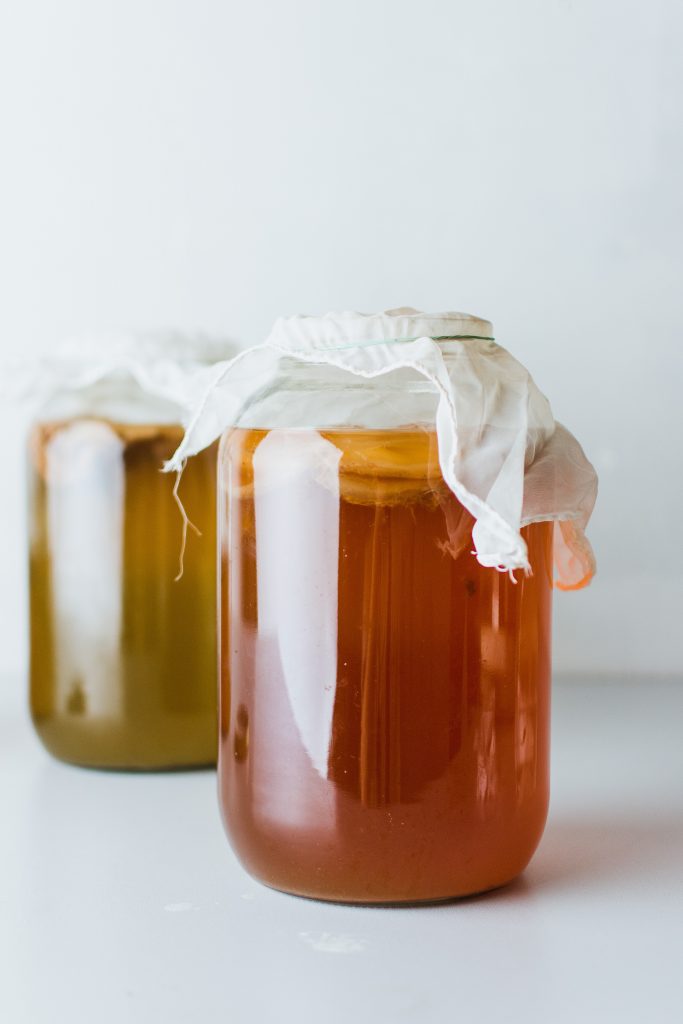
First, I think it’s important to differentiate between product line extensions and brand extensions. A product line extension is introducing another flavor to an already existing product per say, while a brand extensions is an attempt to attract a new market by introducing a new category. A product with a well-known brand name is GT’S Kombucha – this brand is the most well known Kombucha brand, and it actually has Kombucha in the title. What is it? It’s a fermented tea beverage that crowds our bodies of the “bad” bacteria by giving us an influx of the “good” bacteria. Bacteria cultures are formed with black or green tea using a SCOBY, and using some of that culture you can essentially brew Kombucha. SCOBY stands for Symbiotic Culture of Bacteria and Yeast. Due to its tea properties, Kombucha is caffeinated and energy living. Kombucha can help with digestion issues, energy deficiencies, common cold, and inflammation throughout the body.
An effective brand extension that I think GT’s would benefit from is going into other fermented foods. For example, GT’s could start bottling sauerkraut. Eating a little bit with food has the same benefits, as does Kombucha. Like Kombucha, Sauerkraut can help your skin, give energy, protect against inflammation digestive health and even protect against certain cancers when taken consistently. The same type of customer tthat buys Kombucha would also buy GT Saurkraut. Just like Kombucha, it’s not rather complicated to culture or make, but people simply don’t want to take the time to do so.
Another effective brand extension that would work well for GT’s would be hard cider. The process in brewing Kombucha is very similar. As an article by Rebecca Ruiz by the NY Time states, there is a customer base of predominantly women who want to drink socially but are health conscious (Ruiz). The licensing for making alcohol and Kombucha, at least in New Hampshire, is the same – this is because if the Kombucha drink ferments for too long, the alcohol percentage climbs over the legal limit of .05% alcohol. After that limit is reached, you must be 21 to purchase. I think Kombucha cider would be a huge hit. Many people who drink Kombucha are gluten free, and cider is also gluten free. I think Kombucha cider would be a brand extension would exercise stimulus generalization is creating by emphasizing consumers positive associations with a product.
There are already many flavors and line extensions of kombucha including all different flavors and some different ones such as the chia seed one, which has a totally different consistency than the other ones. One product line extension that definitely would not resonate with consumers is Kombucha sweetened with fake sugar. There are other brands of Kombucha that use Stevia, and although it’s naturally occurring, consumers who drink GT’s Kombucha want “real.”
A brand extension that I thought may originally work, but in thinking about it realized it wouldn’t, is GT’s Kombucha apparel. I used GT’s Kombucha brand because it’s the most well known in the fermented drink world. Health-conscious hipsters make up the vegetarians, vegans, gluten-free people of the world, and this kind of customer base does not want to be brand-associated. They wouldn’t want everyone to know they are drinking the most “mainstream” brand of Kombucha – they’re probably drinking it because it happens to be the most accessible, and they are too lazy to make it themselves. Positive brand extensions resonate with consumer perceptions and feelings and GT’s Kombucha apparel would be considered tacky.
Work Cited
Ruiz, Rebecca R. “From Gluten-Free Beer to Kombucha, Alcohol Options for Health-Conscious Drinkers.” The New York Times, The New York Times, 20 Jan. 2015, www.nytimes.com/2015/01/21/business/from-gluten-free-beer-to-kombucha-alcohol-options-for-health-conscious-drinkers.html.

Leave a Reply