What needs to be reinforced in food culture is that low fat intake doesn’t equal healthy. Seeing “low-fat” on a label doesn’t necessarily make the food a healthier option. The human body requires some types of fat, and some other types should be minimized. Dr. Amanda Downing, Applied Nutrition for Healthy Living professor at PSU, provides her insight and expertise on the topic.
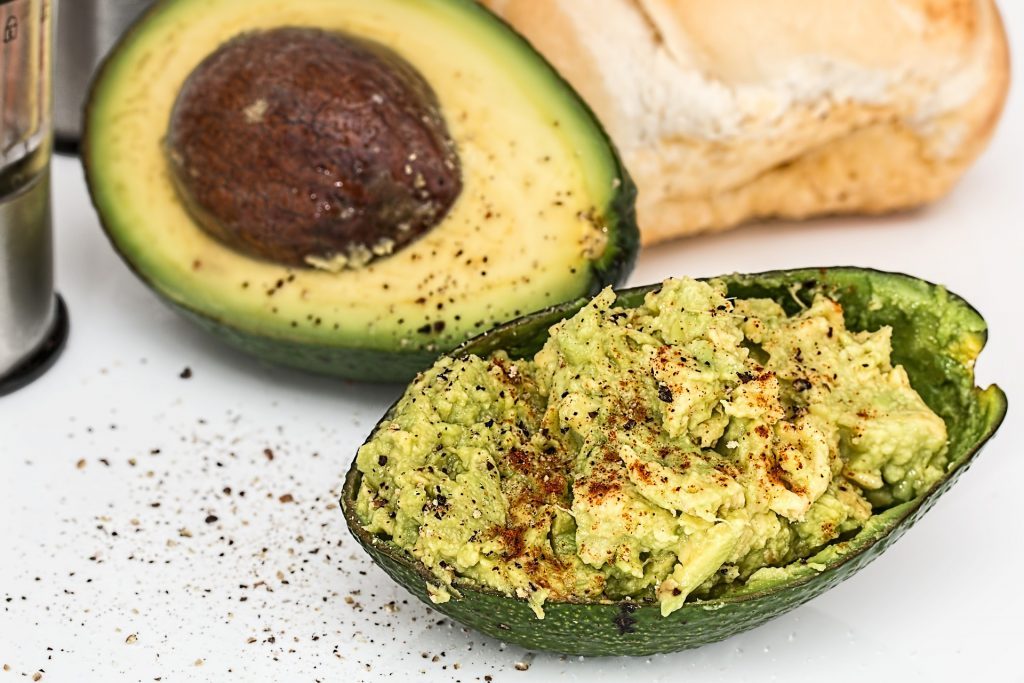
There are two main types of fats: saturated and unsaturated. Saturated fats are most commonly found in animal products, and are typically in a solid state at room temperature. There are two types of unsaturated fats, both of which are liquids at room temperature: monounsaturated and polyunsaturated. Monounsaturated are in foods such as olives, avocados, nuts, and seeds. Polyunsaturated fats fall into two nutritional categories: lipids that contain omega-6, and omega-3. Omega-6 acids were once criticized for potential health risks, but new research indicates that there is no reason to avoid them. These fats have anti–inflammatory properties, and can lower risk of heart disease. Some foods with Omega-3 are flax seeds, walnuts, fish, and certain vegetable oils.
Cholesterol is a saturated fat that only comes from animal products. As a part of the typical American diet, people consume it in large amounts. Cholesterol is valuable and necessary for the body, but like other nutrients it can be unhealthy to eat in abundance. Specifically, large amounts of cholesterol intake can lead to an increase in LDL; this is the type of cholesterol you want to avoid. A lot of cholesterol can also reduce HDL, the healthier variety of cholesterol. Overall, too much cholesterol could possibly lead to heart disease or other complications.
“I think we live in a society where everyone thinks you have to avoid fat, and that is really counterintuitive to good health.”
Dr. Amanda Downing
Some fat-soluble vitamins actually require fat in some capacity. This is so they can absorb vitamins like A, D, E and K. This means that your body needs fat to absorb and store vitamins. Dr. Downing elaborates that, “this is important so your body can pull on them when there’s a deficiency.” Fat is a lot more important than people give it credit for.
If a food label advertises that it is low in fat, then manufacturers have most likely added carbohydrates in place of it. Those carbs turn into sugar and provide no nutritional value. Dr. Downing advises to look for foods that are “full fat because fat keeps you full, and often, low-fat products contain additives that serve to make them less healthy.”
It’s a good reminder that consumed macronutrients (carbohydrates, fats or protein) should be supplemented with some level of activity; otherwise, the body stores them in the form of fat. Brisk walking will burn more fat than other macronutrients. A simple way to maintain a healthy body is to stick to less processed foods, or ones that are closest to their natural state. According to Dr. Downing, “this will reduce the likelihood you’ll overeat, because of the satiety value of higher fat foods like nuts, and other foods higher in mono and poly unsaturated fats. Even some of the saturated fats that are in nuts keep us fuller longer.”
Another reminder that nutrition isn’t one size fits all is that different people have different dietary needs. If, for some reason, someone needs to pay more attention to a food’s fat content, then there are many good natural sources that are low in fat. Some examples include vegetables, fruits, and whole grain products. Dr. Downing elaborates, “I think we live in a society where everyone thinks you have to avoid fat, and that is really counterintuitive to good health.”

Leave a Reply